Performance Reviews
Shouldn’t Feel Like a Boss Battle.
Most performance review problems don’t start with the annual review. They start months earlier — unclear expectations, inconsistent feedback, scattered documentation, and employees who have no idea where they stand.
This concept reimagines performance management as a clearer, more useful employee experience: visible goals, ongoing feedback, documented progress, manager checkpoints, and an annual review that feels like a recap instead of a surprise.
This didn’t start as a design exercise.
I’ve worked with performance management from several sides of the table: as a federal supervisor responsible for employees and their development, an HR professional supporting performance cycles, and an HR/HRIS consultant improving the processes and technology behind them.
Across HR, HRIS, people operations, federal programs and HR transformation.
Reduction in performance-review processing time through HRIS workflow, automation and manager visibility improvements.
Annual federal performance rating while serving in a supervisory role at the National Archives.
Documented during a federal appraisal period after frontline leaders were empowered to resolve employee issues at the appropriate level.
My federal supervisory experience included employee development, onboarding, training, recurring team communication, performance expectations and workforce issues. Later HR roles expanded that work into performance standards, appraisal cycles, manager documentation, improvement processes and HR technology.
The annual review is usually where the problem becomes visible.
By then, the real damage may already be done.
Goals disappear.
Objectives are written at the beginning of the cycle and barely discussed again until review season.
Feedback arrives too late.
Employees hear about issues months after they could have corrected course.
Managers reconstruct the year.
Accomplishments, coaching conversations and changing priorities are pieced together from memory, email and scattered notes.
The review becomes the event.
Instead of reflecting an ongoing process, one meeting carries the weight of an entire year.
I’ve worked on the process behind the screen.
The interface is only one part of performance management. The harder work is creating a process that managers can actually follow and employees can understand.
Federal Supervision
Managed employee development, onboarding, training, team communication and workforce responsibilities within a federal environment.
Performance Cycles
Supported performance standards, critical elements, ratings, documentation, appraisal cycles and manager guidance.
HRIS Workflows
Improved performance-management processes through automation, reminders, centralized information and manager visibility.
Manager Enablement
Built SOPs, job aids, training materials and structured resources designed to make HR processes easier to execute consistently.
Technology should remove friction, not digitize it.
During previous HRIS work, I helped redesign performance management around automated workflows, clearer goal tracking, manager reminders and easier access to performance information.
In one BambooHR implementation, the redesigned process reduced performance-review processing time by approximately 30% while improving visibility into employee progress.
By redesigning the process around automation, accessibility and clearer manager workflows.
A performance experience designed around the whole year.
Instead of asking employees and managers to remember everything at review time, each part of the experience supports a different moment in the performance cycle.
Start with expectations employees can actually see.
Performance management works better when employees understand what success looks like before they are evaluated against it.
- Visible goals and priorities
- Clear performance expectations
- Progress indicators throughout the cycle
- Employee-friendly language instead of HR-only terminology

Make progress part of the conversation.
Goals shouldn’t disappear after kickoff. Managers and employees need an easy way to revisit progress and identify where support is needed.
- Ongoing checkpoints
- Progress updates
- Space for accomplishments
- Earlier visibility into barriers and changing priorities

Give feedback somewhere useful to live.
Coaching becomes much more useful when it can be documented, revisited and connected to development instead of disappearing after a conversation.
- Manager feedback and coaching
- Employee reflection
- Development conversations
- Documented context for the annual review
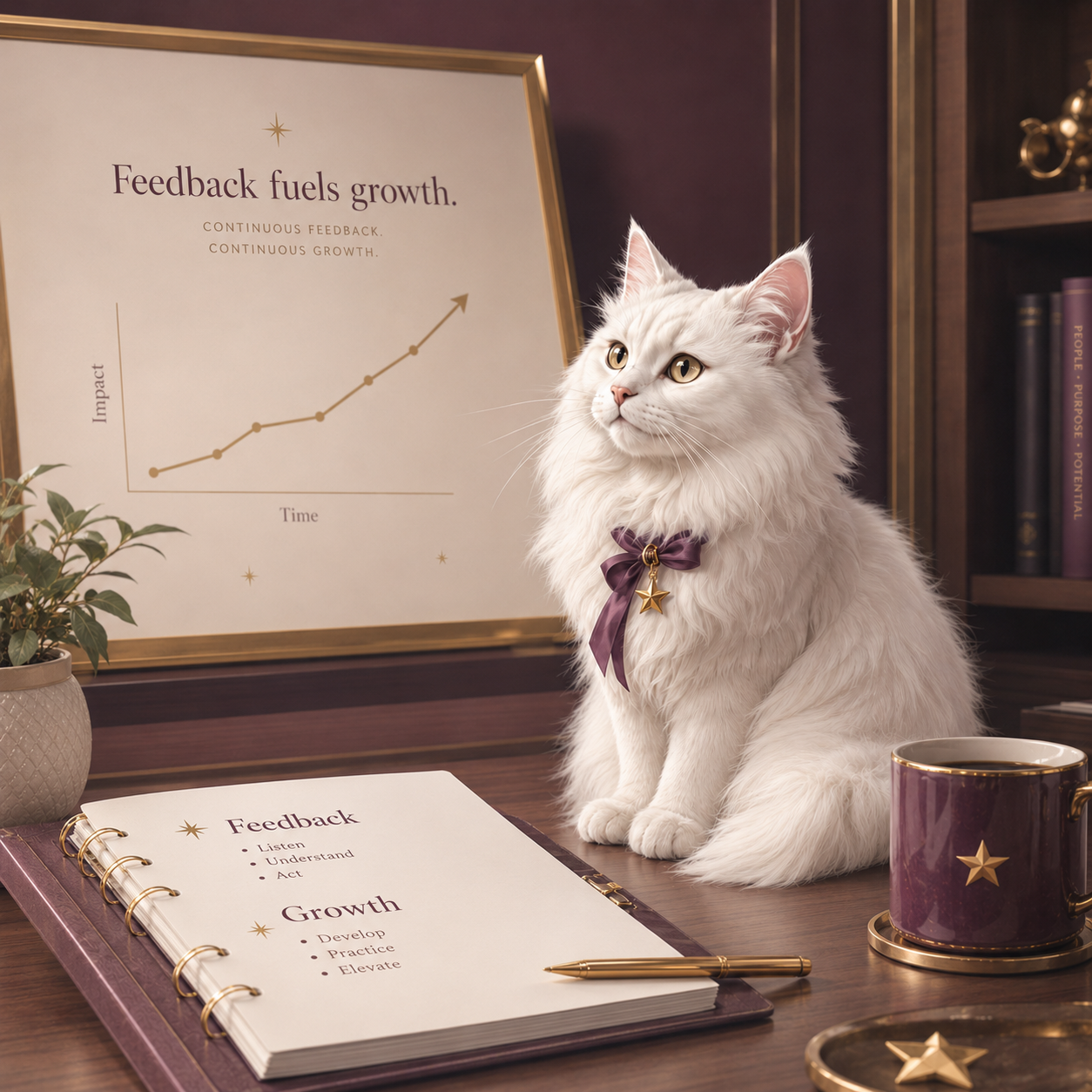
Make the annual review the recap — not the reveal.
By review time, managers and employees should already understand the story of the year. The formal appraisal becomes a structured summary of conversations that have already happened.
- Goals + outcomes in one place
- Documented progress and feedback
- More balanced manager evaluations
- Fewer year-end surprises

The goal isn’t to gamify performance.
It’s to make an important HR process easier to understand, easier to use and harder to ignore.
Clarity
Employees should know what success looks like.
Continuity
Performance should be discussed throughout the year.
Context
Reviews should reflect the whole performance story.
Usability
If the process is painful to use, adoption suffers.
Good performance management
shouldn’t require a strategy guide.
The best systems give employees clarity, give managers structure, and give HR better information without turning performance management into another administrative burden.
Start a Conversation